Halloween with an autistic or sensitive child: 8 ideas for a calmer evening
For many children, Halloween is the most anticipated night of the year. For others, it is an evening full of surprises: masked faces, shrieks, flashing lights, a disrupted routine and a lot of sugar. With a little preparation, the holiday can become fun again.
Why Halloween can be hard
Everything that makes Halloween exciting can also overwhelm a child: novelty, unpredictability, sensory input and a change in schedule. An autistic child, an anxious child, a child with ADHD or simply a very sensitive child can quickly feel overloaded. It is not a whim: their nervous system is receiving more information than it can process.
Before the evening
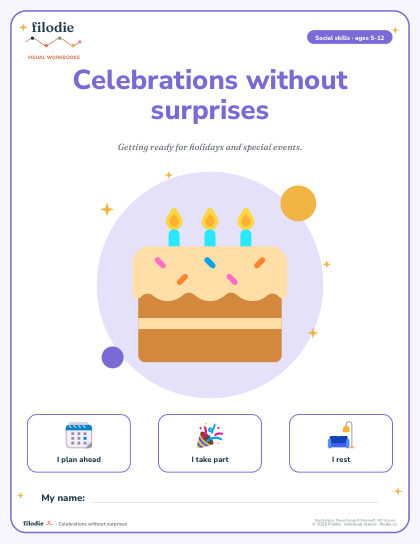
- Tell the story of the evening ahead of time. A short picture story or a visual routine shows what will happen, in order: put on the costume, go out, ring the bell, say “Happy Halloween”, come home.
- Try the costume on several times. A costume that itches, squeezes or blocks vision can tip everything over. Comfort comes before looks. A themed sweater or a single accessory is enough.
- Show decorations and costumes. Looking at photos or walking around the decorated neighbourhood in daylight takes away part of the surprise.
- Plan the route together. How many houses? Which street? A precise number makes the end predictable: “We’ll do 10 houses, then go home.”
During the evening
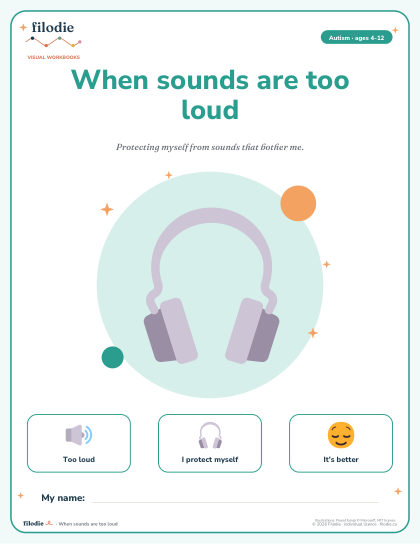
- Pack a sensory kit. Ear defenders, a flashlight, a familiar snack, a comfort object: small tools that help the child stay regulated.
- Agree on a “too much” signal. A word, a gesture or a card the child can show when they need a break or want to go home. Respect it, even if the round isn’t finished.
- Allow other ways to take part. Handing out candy at the door, watching from the window or having a small party at home is also celebrating Halloween.
After the evening
- Keep a wind-down routine. Bath, pyjamas, a story: returning to the usual routine helps the child come back down. Decide ahead of time how many candies are allowed that night to avoid negotiating at the end of an already intense evening.
Success isn’t measured by the number of houses visited. A short evening that ends well is better than a long round that ends in a meltdown. What the child will remember most is feeling understood.