When anger boils over: supporting a child before, during and after
Anger isn’t a problem in itself: it signals that a need isn’t being met or that a limit has been crossed. What causes problems is the way it comes out. Support happens in three stages, and the most important part happens… when everything is calm.
Before: prevent and equip
- Spot the triggers. Hunger, fatigue, transitions, perceived unfairness, noise: note what comes before outbursts for a week or two. Patterns often emerge.
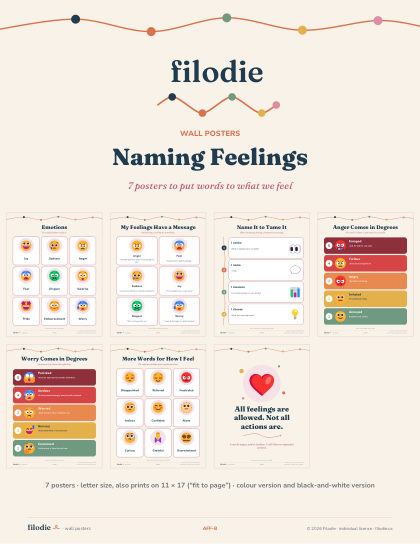
- Know the warning signs. Clenched fists, a rising voice, restlessness: the earlier you spot them, the easier it is to step in.
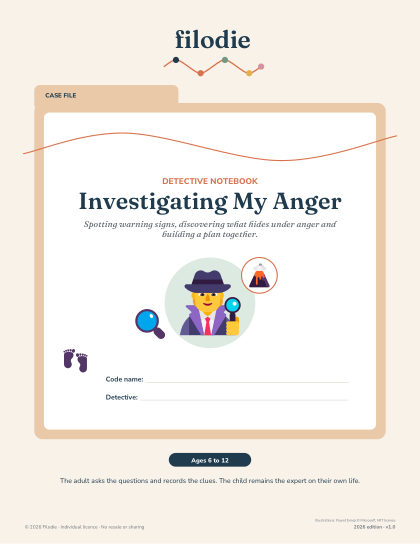
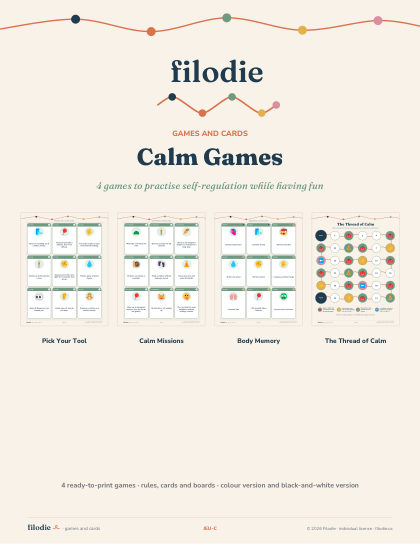
- Build a calm-down plan with the child. What helps them come back down (moving, being alone, breathing, squeezing a cushion) is decided together, when things are calm.
During: safety and few words
- Safety first. Move dangerous objects away and, if needed, other children.
- Stay calm, or act like it. The adult’s low voice and relaxed posture help the child’s nervous system settle.
- Say little. In the middle of an outburst, reasoning doesn’t get through. A few words are enough: “I’m here. You’re safe. We’ll talk about it when you’re calm.”
- Offer the calm-down plan without forcing it, and wait.
After: talk it through
Once the child is calm, sometimes only hours later, go back over what happened, without blame: What happened just before? What did you feel in your body? What would have helped? What could we try next time? This is where the child really learns. If someone was hurt, making amends (a drawing, a helping hand, a few words) means more than a punishment far removed from the act.
Take care of yourself too. Supporting a child’s anger takes a lot. It’s normal to need a break before talking it through.
When to ask for help
If outbursts are frequent, intense or dangerous, or come with other difficulties, talk to a professional. In Québec, Info-Social 811, option 2, can point you in the right direction, 24 hours a day.